IDENTITY / KNOWLEDGE / PRODUCTIVE CAPACITY
From inheritance
to capability.
Know the land. Develop the people. Build the institutions that turn possibility into shared prosperity.
A LIVING QUESTION FOR YORÙBÁ CIVILIZATION
What could we build with what we have?
Yorùbá identity carries language, memory, artistic and intellectual traditions, relationships and a profound attachment to place. The inheritance of àwọn bàbá ńlá wa—our forebears—invites responsibility as well as pride. This project asks how that inheritance can nourish capable people, productive enterprises and public institutions worthy of trust.
Our ambition is self-directed development. Communities should be able to identify priorities, organize knowledge and capital, and judge partnerships on their own terms. Progress need not wait for Western aid or outside validation. A claim that every input is already available locally, however, would need evidence: technology, finance, equipment and skills must be assessed sector by sector. Confidence becomes useful when it produces a workable plan.
A resource list is the beginning of an inquiry.
The natural resources map distinguishes production reports, geological studies, official inventories and unverified local reports. A resource list is a starting point for research, not an independently verified mineral inventory. Source quality, geographic precision and field evidence matter; a long list alone does not establish commercial deposits. Read the evidence, interpretation and rights principles →
| Place / material | What the evidence supports | What it does not establish |
|---|---|---|
| Segilola / Ìpèrindó · gold | Dated operator reporting of production. | Gold reserves throughout every part of Ọ̀ṣun, or public ownership of the operating company. |
| Ewekoro · limestone | Documented quarrying linked to cement manufacture. | A map of all licences, beneficial owners or the distribution of local benefits. |
| Ìjẹ̀ró / Arámọkọ · pegmatites | Research on lithium-bearing lepidolite and other pegmatite minerals. | Battery-grade output, a viable battery factory or a bankable reserve. |
| Agbabu · natural bitumen | A locality-specific geophysical investigation. | The old notes’ “42.74 billion barrels” as a verified local recoverable reserve. Units, material measured, geography and recovery assumptions require reconciliation. |
| Oró / Irepodun and Ìsìn districts | Official district inventories; separately labelled local reports. | Limestone, gold or a commercially mineable deposit at every named town. District evidence cannot be assigned to an individual field. |
| Kétu, Adakplamé and Onigbolo | Benin’s mineral inventory records kaolin and limestone localities. | A single legal jurisdiction or an exclusive ethnic claim over a resource or its neighbours. |
Read less
Build the chain of capabilities.
The following are development options for evaluation, not feasibility findings or a ranking of guaranteed returns. The first question is what people can learn to make, maintain and sell reliably. Agriculture, services, design, software and cultural production belong in the discussion alongside minerals.
| Opportunity | A useful first step | Evidence before expansion |
|---|---|---|
| Stone, clay and construction materials | Shared testing, cutting, finishing and ceramics workshops; train technicians and product designers. | Material specifications, energy cost, dust controls, demand and competitive delivered prices. |
| Food and agricultural processing | Farmer–processor agreements, grading, storage, cold chains and machinery repair. | Actual harvest volumes, spoilage, water availability, food safety and reliable buyers. |
| Pegmatite minerals and technical industry | Mineralogy laboratories, traceable supply and small processing trials; develop instrumentation and maintenance skills. | Recoverable product quality and cost. Ordinary quartz is not automatically semiconductor feedstock; a lithium-bearing rock is not a finished battery. |
| Energy and industrial services | Measure the power needs of existing productive clusters, then compare reliable supply options and efficiency upgrades. | Affordability, dependable delivery, maintenance capability and lifecycle costs. |
| Landscape and cultural enterprise | Local guides, interpretation in Yorùbá and other languages, conservation work, small accommodation and creative production. | Custodian agreements, visitor demand, access, water, waste management and income retained locally. |
| Ports, logistics and digital services | Help existing businesses move goods, document shipments, manage inventory and reach customers. | Reduced delivery time and losses, worker skills, viable customers and dependable connectivity. |
Coastlines, reservoirs and forests are productive systems as well as places of beauty. The landscape map helps connect these questions spatially. A wetland’s fisheries, flood storage and cultural use may be more valuable than a proposed building site; the comparison requires local evidence.
Explore inú rere, akínkanjú, ọ̀rọ̀ sísọ and iṣẹ́—and compare Ọmọlúàbí with Bushidō and chivalry.
Make Ọmọlúàbí visible in institutions.
Ọmọlúàbí gives this project an ethical vocabulary: òtítọ́ (truthfulness) in accounts and claims; ìwà pẹ̀lẹ́ (considerate character) in treatment of workers and neighbours; ìgboyà (courage) to challenge misuse of power; and iṣẹ́ ṣíṣe (diligence) in the daily work of production. Cultural pride must be open to the same scrutiny it asks of others.
Read less
China: study the mechanisms, then judge the comparison.
A 2022 World Bank–Development Research Center report estimates that almost 800 million people in China rose above the report’s international extreme-poverty line over four decades. Its explanation includes agricultural productivity, industrialization, urbanization, infrastructure, institutional capacity and targeted poverty reduction. China’s reform era also involved opening to trade and investment; it was not a demonstration of economic isolation.
The lesson worth testing here is sustained learning and implementation. Yorùbá communities can draw on modern technologies and existing knowledge, but different institutions, markets, demographics and financing conditions mean China’s timetable cannot simply be compressed. Achieving faster progress is an aspiration to work towards, not a forecast supported by a mineral list.
Make Yorùbá a working language of science.
Start with useful lessons people can teach and test now: measurement, electricity, soil, water quality, bookkeeping, coding and machine maintenance. Pair clear Yorùbá explanations with internationally recognizable symbols, units and terminology. The goal is conceptual understanding and confident participation in the wider scientific world. UNESCO’s multilingual education guidance provides a useful foundation.
Read less
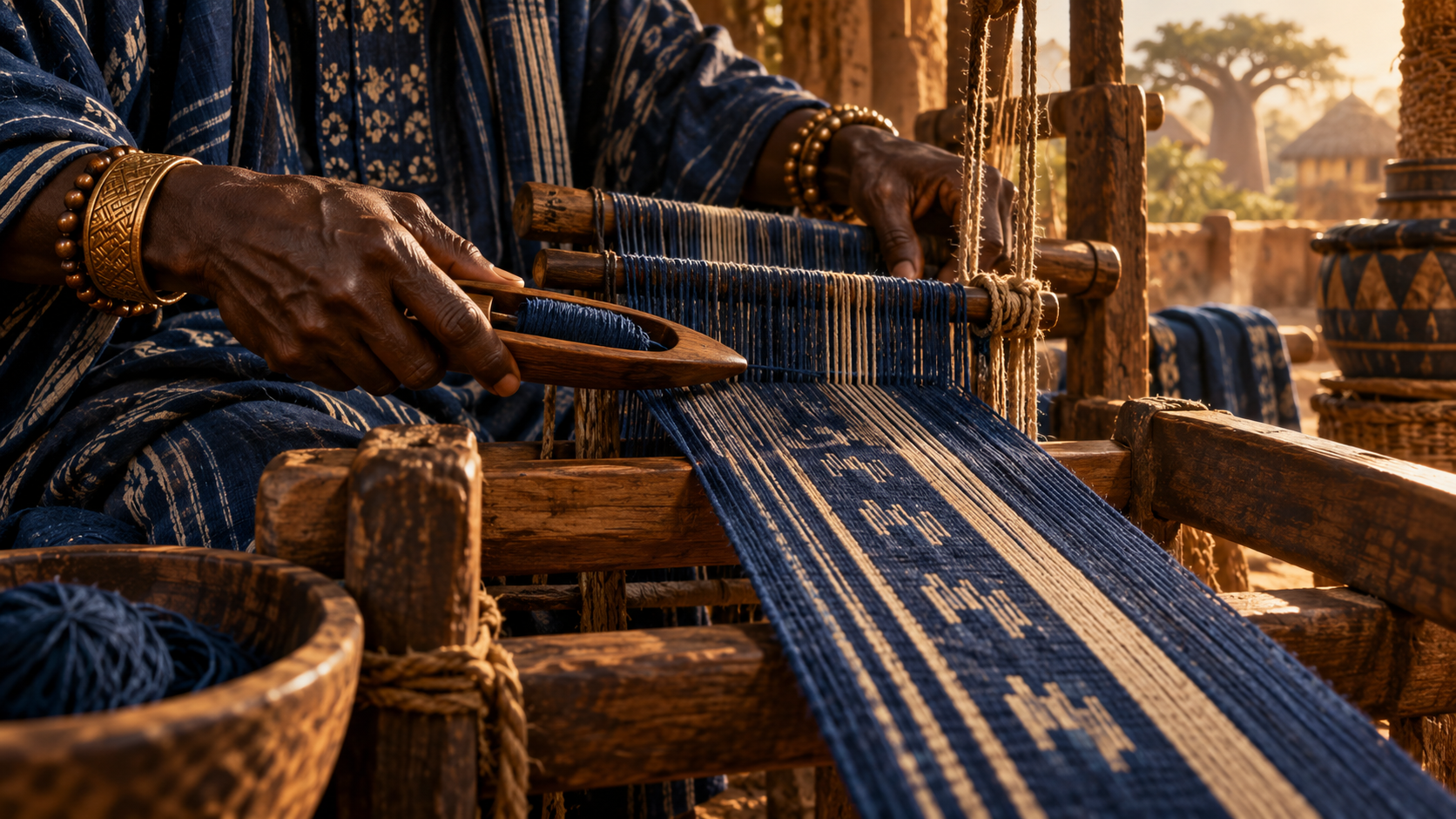
Improvement must be sustained—and shared.
A steadily rising growth curve is easy to draw. Achieving it requires reliable institutions, skills, infrastructure, investment and learning. Judge progress through evidence about livelihoods, service quality, ecological costs and who benefits, alongside economic measures.
A 10–20-year horizon, with decisions much sooner.
This is a proposed sequence for public discussion, not an adopted regional plan. Locally funded pilots can begin before a grand strategy is complete. The right scale may be a workshop, cooperative, town, university partnership or cross-border trading relationship; each has different powers and obligations.
| Horizon | Work to organize | Evidence to publish |
|---|---|---|
| 0–2 years | Map existing enterprises and skills; audit resource claims; start language lessons and a few productive pilots. | Baseline costs, customers, skills gaps, power reliability, community agreements and responsible project owners. |
| 3–5 years | Expand successful training, testing, repair and processing services; resolve the infrastructure constraints they reveal. | Apprentices in sustained employment, product quality, business survival and local procurement. |
| 6–10 years | Connect productive clusters with transport, research and wider markets; discontinue weak programmes. | Real wages, productivity, reliable services, export competitiveness and environmental performance. |
| 10–20 years | Deepen technical specialization and widen access to prosperity across towns and generations. | Household wellbeing, learning outcomes, resilience and transparent distribution of gains. |
Self-direction means choosing the terms of cooperation and maintaining the ability to say no. Domestic businesses, cooperatives, public institutions and the diaspora can all contribute. Partners from Africa, Asia, Europe or the Americas should be judged by transparent terms, knowledge transfer and mutual benefit. External aid is not a prerequisite for beginning; beneficial exchange need not diminish ownership of the agenda.
Questions to take away.
Which capability could your community build in the next year? What evidence would change your preferred plan? Who would maintain it after the opening ceremony? Who gains skills and income—and who bears the costs? Knowing who we are becomes a living strength when it improves what we can do together.
Read further.
For wider historical context: S. Adebanji Akintoye, A History of the Yoruba People (2010) · Akinwumi Ogundiran, The Yorùbá: A New History (2020). These works ground historical inquiry; they are not evidence for present mineral reserves or the proposed economic programme. Specific geological, legal, educational and comparative sources are linked beside the relevant claims.
Research reviewed 6 October 2026. Development pathways and timelines are this site’s proposals for critical discussion. Resource evidence retains its original date and scope in the atlas.
Build places that carry a living culture.
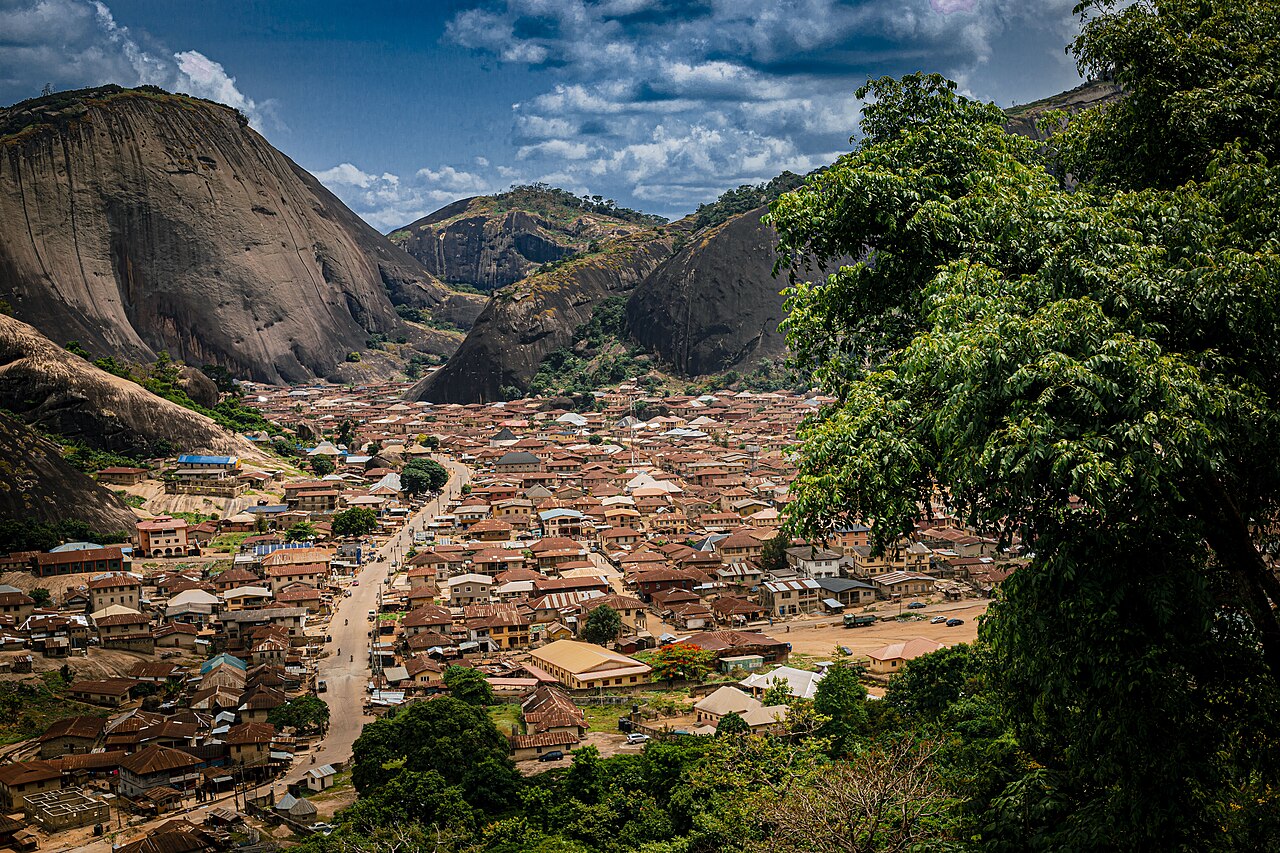
The future of a place includes the quality of its homes, learning spaces, public life and creative work. Vlach and Akinmolayan’s architectural studies open a conversation about designs that grow from community needs and artistic knowledge.
YORÙBÁLAND / DEVELOPMENT
Give possibility a place and an evidence trail.
Explore the new development hub: resources, production and learning maps, Yorùbá education, industrial pathways and current ownership research. The ambition remains broad; each claim keeps its source and limits.
Explore the development hub → · Open both interactive maps → · Sources and review · A civilization’s next chapter. →